
February is National Bird Feeding Month NOT Squirrel Feeding Month!
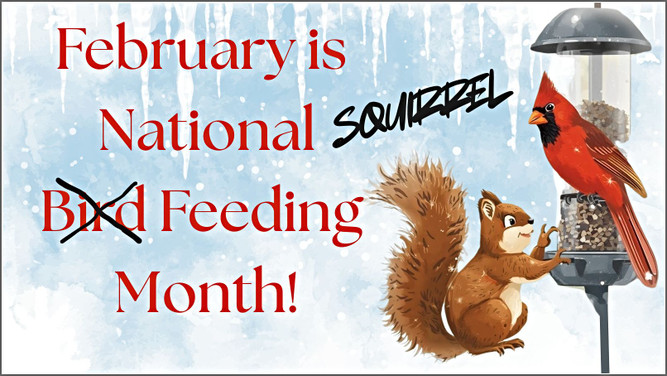
February is one of those months when the world outside the window feels especially still. The trees are bare, the mornings are gray, and yet—if you look closely—the backyard is full of life. Tiny movements at the feeder, the flutter of wings, the cheerful chatter of birds who didn’t fly south. That’s exactly why February was named National Bird Feeding Month.
Why February?
February is typically the hardest month of the year for birds to find food. By now, natural seed sources are mostly gone, insects are scarce, and snow often covers what little remains on the ground. Birds burn a tremendous amount of energy just staying warm, and reliable food sources can mean the difference between survival and struggle.
Spring and summer offer plenty of natural food—buds, berries, insects, and seeds—so backyard feeding isn’t as critical then. In late winter, though, a simple feeder becomes a lifeline.
The History of National Bird Feeding Month
National Bird Feeding Month was officially recognized in 1994 when a U.S. congressional resolution, introduced by Congressman John Porter of Illinois, highlighted February as a time when Americans could help wild birds through the toughest stretch of winter. The idea caught on quickly, especially in northern states where snow and cold linger longest. Read Congressman Porter's proclamation here.
Since then, it’s become a beloved tradition for families, bird lovers, and anyone who enjoys a little life and color outside the kitchen window during winter’s quietest days.
Birds You’re Likely to See in Winter
Even when it seems like everything has flown south, many birds stay put all season long. Backyard feeders often attract:
-
Cardinals — bright red against gray winter skies
-
Chickadees — small, friendly, and quick
-
Blue jays — bold and vocal visitors
-
Downy and hairy woodpeckers
-
Nuthatches climb headfirst down trees
-
Juncos, often called “snowbirds.”
-
Sparrows and finches in lively flocks
These birds rely heavily on seeds, suet, and grains when insects disappear for the season.
And Then… the Squirrels Arrive
Of course, if you’ve ever put out birdseed, you know the other winter regulars: squirrels. Resourceful, determined, and always hungry, they see feeders as an easy meal. And in winter, when their usual food sources are limited, they become even more persistent.
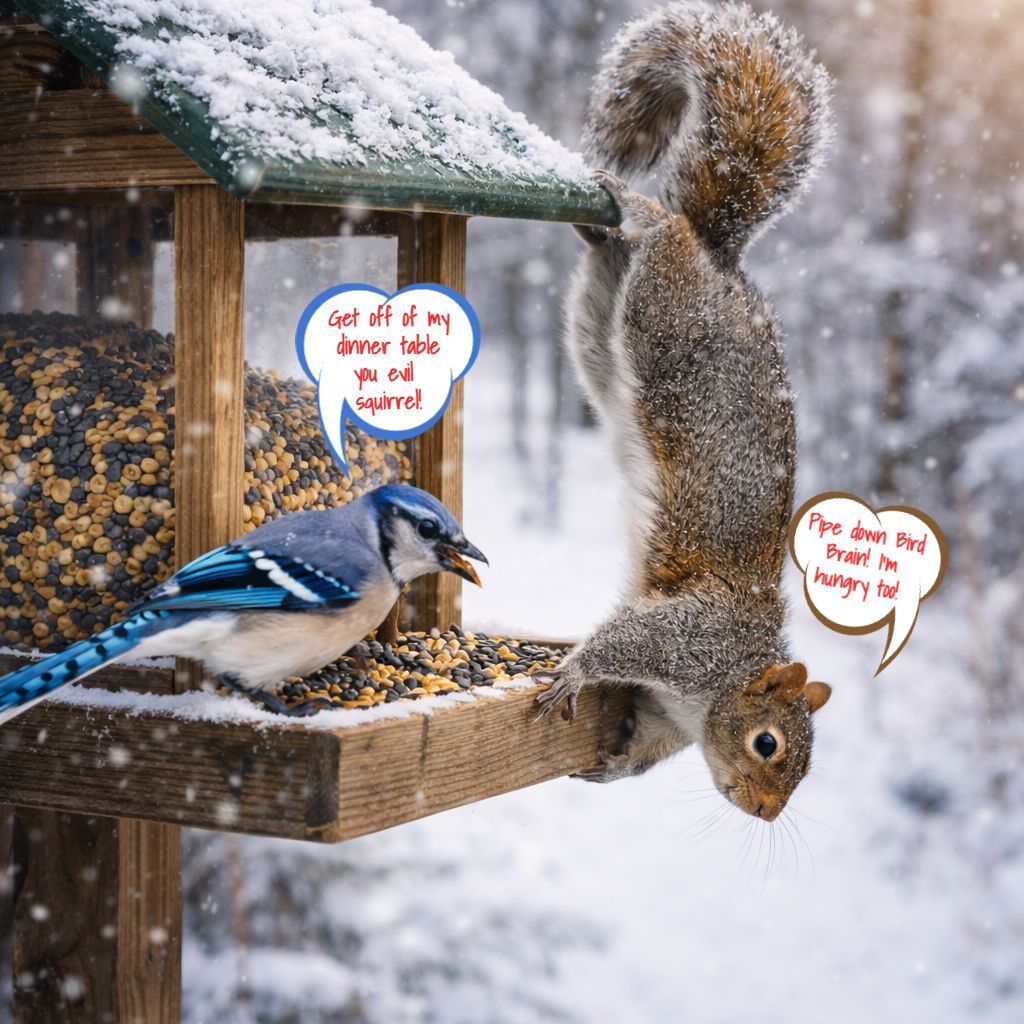
How to Keep Squirrels Off Your Bird Feeder
While attracting song birds to your feeder is your goal, you may never outsmart every squirrel! These tried-and-true tips can make a big difference:
-
Use an American-made squirrel baffle: These dome or cone-shaped guards attach above or below feeders and block squirrels from climbing or jumping onto them.
-
Change feeder placement: Keep feeders at least 10 feet from trees, fences, and roofs. Squirrels are impressive jumpers.
-
Offer a Squirrel Feeder in your yard: Some people place corn or seed away from the main feeder to distract squirrels and reduce competition. But, our squirrel feeders provide coexistance between the birds and the squirrels so that you can enjoy the beatiful views of the birds and the silly antics of the squirrels stress free.
-
Choose weight-sensitive feeders: These close access ports when heavier animals (like squirrels) climb on them.
-
Try safflower seed: Birds like cardinals and chickadees enjoy it, but many squirrels don’t.
A Simple Winter Joy
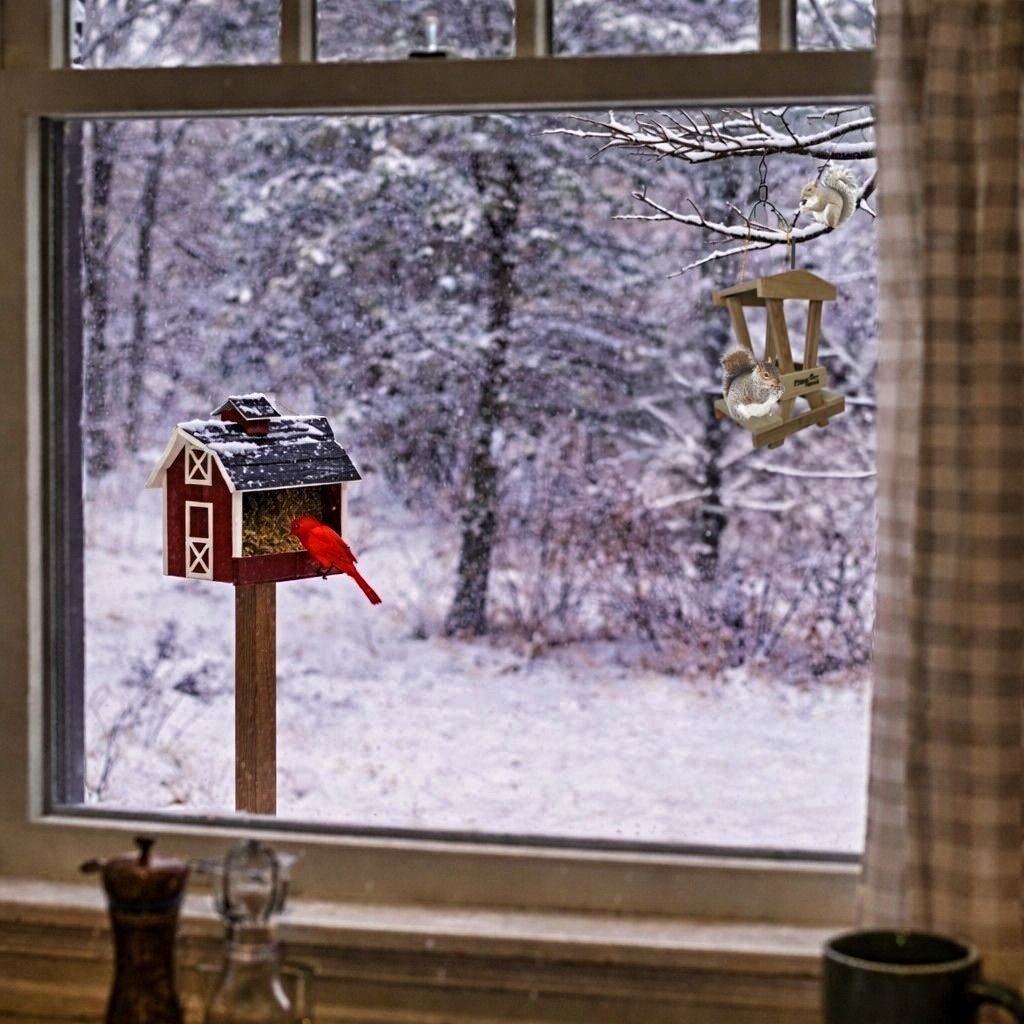
Bird feeding in February isn’t just about helping wildlife—it’s about connection. It gives us a reason to pause at the window, coffee in hand, and notice life continuing even in winter’s quiet. Children learn patience. Adults rediscover simple wonder.
And on the coldest days, when the snow piles high and the world feels still, a busy bird feeder reminds us that spring will come again.
So fill the feeders, keep an eye out for those bright red cardinals, and don’t worry too much about the squirrels—they’re just trying to make it through winter too.
Fresh Off the Blog—Like Jam Off the Stove

It's Almost Camping Season!
I never thought I'd say this as an adult, with excitement that is...but I have come to LOVE camping!...

What Makes You Happy?
Shouldn't we all just take this little piece of advice to heart? I know sometimes it's a lot easier...
Best Rope Guide: Choosing the Right Rope for Every Job
Choosing the best rope depends on how you plan to use it, but for most everyday tasks, solid braided...
Spring has Arrived!
It's finally here, Spring, my personal favorite. Let's appreciate the beauty of this country we live...
Pickled Meats Guide: What They Are, How They Taste & Where to Buy Online
If you’ve ever come across pickled meats in a country store or local market, you know they stand out...
Easter Brunch: A Table Full of Springtime Memories
Easter Brunch: A Table Full of Springtime Memories There’s something about Easter morning that feels...