
Super Bowl History

Sunday, February 8, 2026 is Super Bowl LX
But, when was Super Bowl I?
A Nostalgic History of the Super Bowl: From Sunday Afternoon Game to American Spectacle
There was a time when the Super Bowl didn’t come with a month of hype, seven‑figure commercials, or a halftime show that could rival a world tour. It came with anticipation instead—the kind you felt all week long, knowing Sunday was coming. It was just a football game, played on a Sunday afternoon, broadcast on a single network, and watched by families gathered around wood‑paneled televisions with rabbit‑ear antennas. Chips in a bowl, dad in his recliner, kids sprawled on the carpet—those were the days, and they’re stitched into our memories whether we realize it or not.
What began as a championship game between two rival football leagues has grown into something much bigger: a shared American ritual. The Super Bowl is no longer just about who wins the game; it’s about commercials, halftime shows, food traditions, and the simple comfort of knowing that, for a few hours, we’re all watching the same thing together.
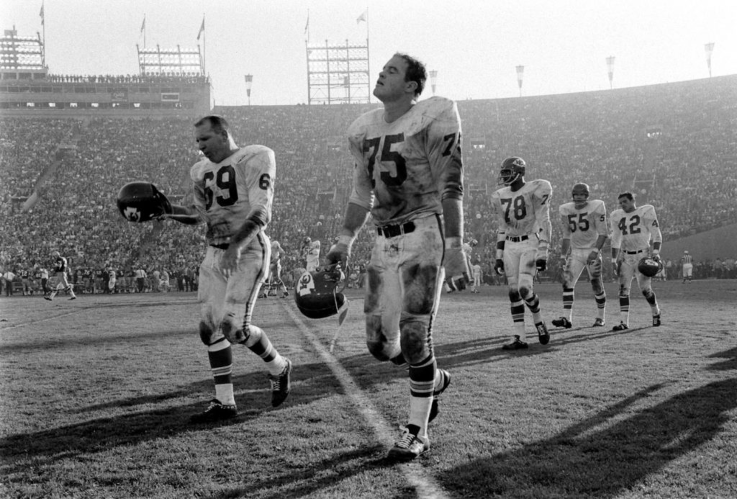
Jerry Mays and other Kansas City Chiefs, Super Bowl I, 1967. Bill Ray/Life Pictures/Shutterstock
So let’s take a slow stroll down memory lane—from Super Bowl I to Super Bowl LX—and remember how this game quietly became part of our lives.
The Early Years: Super Bowl I and a Simpler Time
The very first Super Bowl was played on January 15, 1967, though it wasn’t even called the Super Bowl yet. Officially, it was the AFL–NFL World Championship Game. The Green Bay Packers defeated the Kansas City Chiefs, and tickets cost just $12.50—an amount that feels almost unreal today.
Television viewership was respectable but modest by modern standards. About 51 million Americans tuned in, many watching on black‑and‑white TVs while folding laundry, tending a pot on the stove, or passing plates of homemade snacks. There was no elaborate halftime show—just marching bands and simple pageantry. It felt wholesome, familiar, and very much family‑friendly.
Football was the star, not the spectacle—and there was something comforting about that simplicity.
The Rise of TV Viewership and the “Event” Game
As color television became the norm in the 1970s and 1980s, the Super Bowl slowly worked its way into American living rooms and hearts. Viewership climbed year after year until it became the most‑watched television event in the country.
By the 1980s, it wasn’t unusual for more than 90 million people to tune in. Today, Super Bowl broadcasts routinely reach well over 110 million viewers across television and streaming platforms. But the real change wasn’t just the numbers—it was the feeling.
Somewhere along the way, the Super Bowl became more than a game. It became an event. Even people who didn’t know a touchdown from a field goal showed up anyway, drawn in by the food, the laughter, and the sense that something special was happening.
When Commercials Became Part of the Tradition
Believe it or not, Super Bowl commercials weren’t always something people looked forward to. In the early years, advertisers simply ran the same ads viewers saw any other night of the week.
That changed in 1984, when Apple aired its now‑legendary “1984” commercial during Super Bowl XVIII. Shown just once, it felt different—cinematic, bold, and memorable. From that moment on, the commercials became part of the tradition.
Families began watching closely, commenting on their favorites, laughing together, and talking about them long after the game ended. Advertisers realized they weren’t just selling products—they were creating moments people would remember. In many homes, the commercials became as anticipated as the kickoff itself.
From Football Game to Capitalist Showcase
From Super Bowl I to Super Bowl LX, the game has mirrored the rise of American capitalism and consumerism.
• Ticket prices climbed from under $20 to thousands of dollars.
• A 30‑second commercial grew into a multi‑million‑dollar investment.
• Corporate sponsorships, branded experiences, and merchandise became part of the scenery.
The Super Bowl turned into a grand showcase of American buying power—where companies compete not just for attention, but for a place in our collective memory. It’s football wrapped in marketing, entertainment, and big business.
And yet, even with all the excess, there’s something oddly reassuring about it. The Super Bowl reflects who we are—ambitious, competitive, creative, and always ready to make something bigger than life.
Is the Super Bowl Still Family‑Friendly?
In many ways, yes—especially at home.
Families still gather around the television, kids on the floor, adults near the snack table, everyone drifting in and out of the room but always coming back. The commercials often aim to appeal across generations, and the game itself remains easy to follow, even for casual viewers.
While halftime shows and ads have grown more daring over the years, Super Bowl Sunday remains one of the few occasions when multiple generations sit together, sharing the same experience.
That kind of togetherness is increasingly rare—and deeply sentimental.
Watching in Person vs. Watching at Home
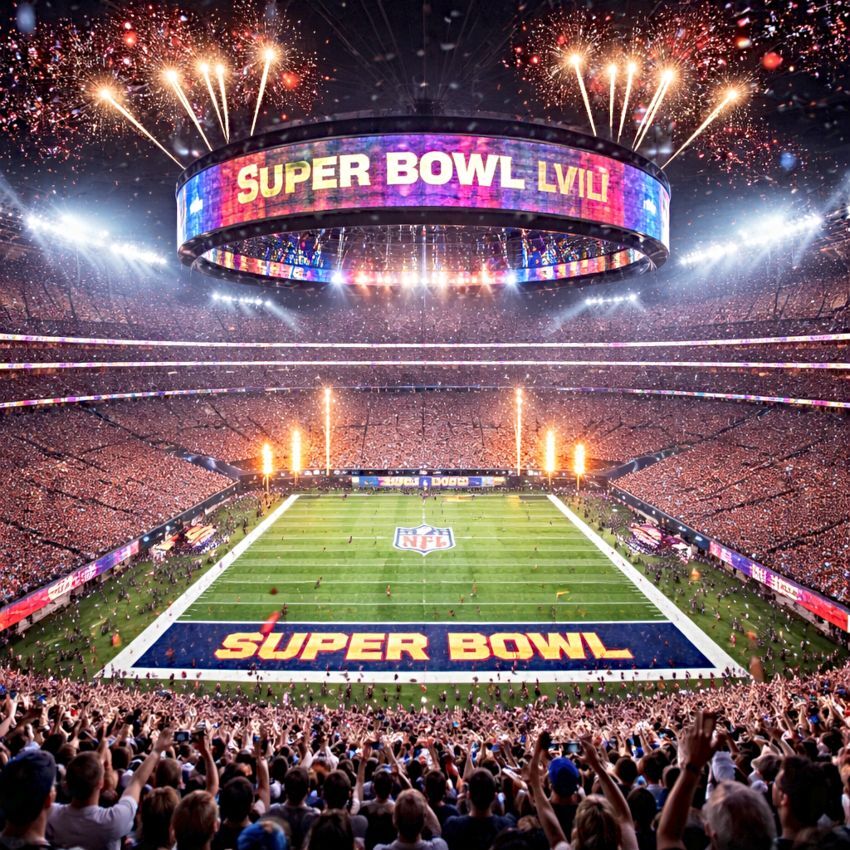
The Super Bowl audience tells two very different stories.
In‑person attendees are often:
• Higher‑income fans
• Corporate guests and sponsors
• Dedicated football lovers willing to travel and pay premium prices
At‑home viewers are wonderfully diverse:
• Families and multi‑generational households
• Casual fans and non‑fans alike
• People who come for the commercials, *the halftime show, or simply the tradition
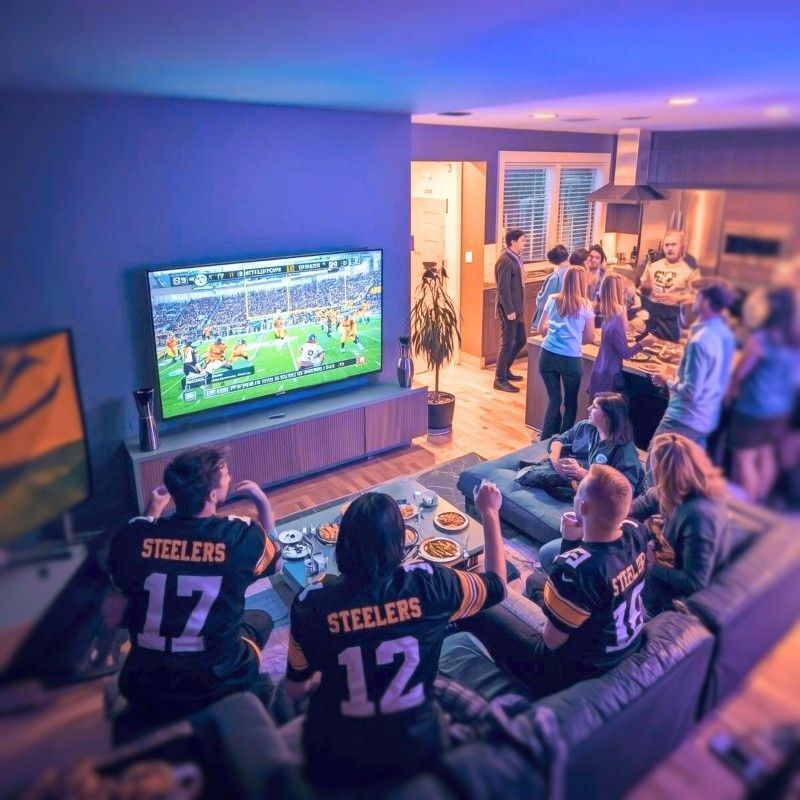
For most Americans, the Super Bowl has always been a living‑room event—a couch, a coffee table full of food, and the quiet feeling that you’re part of something bigger, even from home.
*Do your due diligence and research who is performing in the halftime show each year. In recent years, the performances have become more R-rated (in our opinion) and are not suitable for young children and impressionable teens.
From Then to Now: Why We Still Watch
From its humble beginnings to Super Bowl LX, the Super Bowl has grown into America’s unofficial winter holiday. It reflects our love of competition, our flair for storytelling, and our need for shared moments.
We may grumble about the commercials, the costs, or the over‑the‑top production—but when that familiar theme music starts, muscle memory takes over. We’re right back on the couch again, just like we’ve always been.
And for a few hours each winter, the whole country laughs at the same commercials, cheers the same plays, and reaches for the same bowls of snacks.
Some traditions are worth holding onto.
Those were the days… and somehow, they still are.
On the History Channel website is a list of interesting facts about the Super Bowl. Some of them include:
- Super Bowl Sunday is the second-largest food consumption day in the United States, besides Thanksgiving.
- Because the football season runs into two calendar years, Roman numerals are used to identify each Super Bowl.
- The Detroit Lions, Jacksonville Jaguars, Houston Texans, and Cleveland Browns are the only teams that haven't played in a Super Bowl.
- The Pittsburgh Steelers and New England Patriots each have six Super Bowl victories—the most of any team. The Dallas Cowboys and San Francisco 49ers each have five wins.
Here's a Recipe to try for next week's Super Bowl LX Party:
Buffalo Blue Cheese Pretzels with Ranch Dip
1 stick unsalted butter
2 Tbsp. Halladay's Buffalo Chicken & Blue Cheese Seasoning
1 (12 oz.) bag pretzel rounds or sticks
1-2 Tbsp. Halladay's Harvest Ranch Seasoning
1/2 cup sour cream
1/2 cup mayo
Melt butter in a small saucepan. Add the Buffalo Blue Cheese Seasoning and let the mixture hydrate in the butter. Pour pretzels into a mixing bowl, add seasoned butter mixture, and toss to coat the pretzels. Preheat oven to 300°F. Line a cookie sheet with parchment paper; pour pretzels onto the pan in a single layer. Bake for approximately 30 minutes, stirring at least once halfway through. While pretzels are baking, prepare the dip for the pretzels by combining the Harvest Ranch seasoning with sour cream and mayo. The dip can be made ahead of time. Let pretzels cool and serve with Harvest Ranch Dip!
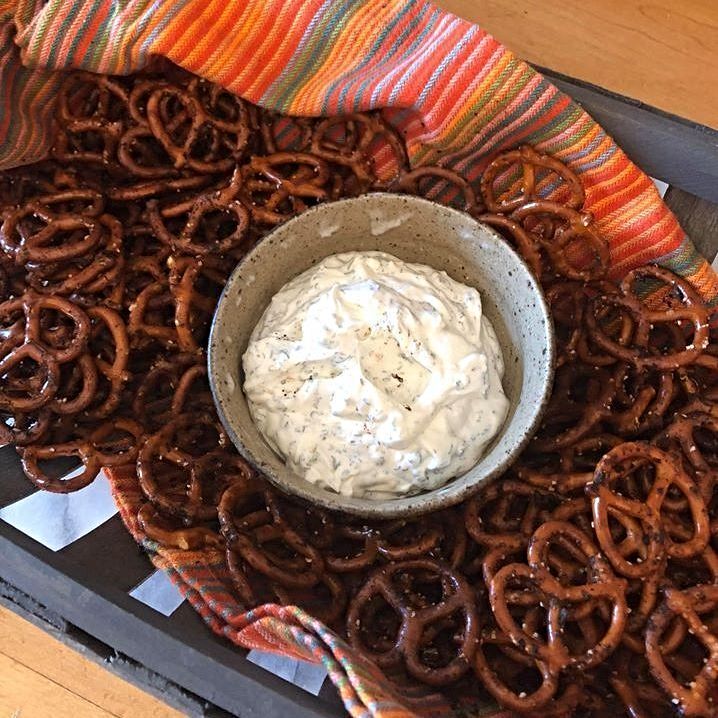
Recipe and photo courtesy of Halladay's Harvest Barn
Fresh Off the Blog—Like Jam Off the Stove
Best Amish Foods to Buy Online: Traditional Favorites You’ll Love
If you’re searching for the best Amish foods to buy online, you’re not alone. Amish-made foods are k...
Step back to the 50's when the kitchen wasn’t just where supper was made
Retro Revival: When the 1950s Marched Right Into the Kitchen The 1950s brought a bright new chapter...

Amish Food Guide
Amish foods are known for their simple ingredients, traditional recipes, and small-batch preparation...
A St. Patrick’s Day Table — Old Traditions and New Favorites ☘️
Saint Patrick's Day will be here next week and now is the time to plan your feast! If you grew up in...
The Big Debate about Standard Time and Daylight Savings Time
Twice a year, it happens the same way. Someone notices the kitchen clock is wrong. The car c...
Southern Style Shrimp and Grits Recipe - An Ideal Lenten Meal ~if You Leave Out the Bacon
We’re nearly a week into the Lenten calendar, and by now you might be searching for a few new meatl...