The Big Debate about Standard Time and Daylight Savings Time
Twice a year, it happens the same way. Someone notices the kitchen clock is wrong. The car clock doesn’t match the stove, and the old battery-powered wall clock in the hallway is still stubbornly keeping last season’s time. Before long, someone says the familiar words — “Don’t forget to change the clocks tonight. ” Good thing our smartphones, smart watches, and car dashboard clocks change automatically so we aren't late for church or work on Sunday morning!
For generations, Daylight Saving Time has quietly marked the passing of the seasons. Long before cell phones changed themselves in the middle of the night, folks made the rounds on a Saturday evening — winding watches, adjusting alarm clocks, and turning the small brass key in the back of the mantel clock. It was just another part of the rhythm of the year, like putting storm windows on in the fall or taking them off in the spring.

On farms, the animals didn’t pay much attention to government time. Cows still needed milking when the sun came up, whether the clock said six or seven. Roosters crowed when they pleased, and barn chores followed daylight more than the hands on a dial. Still, families adjusted as best they could, shifting supper a little earlier or a little later until everyone settled into the new routine.
For many people, the spring change meant the promise of warmer days ahead. After a long winter, that extra hour of evening light felt like a gift — enough time after supper to walk the fence line, rake the yard, or sit on the porch and watch the day wind down.

But not everyone looked forward to it.

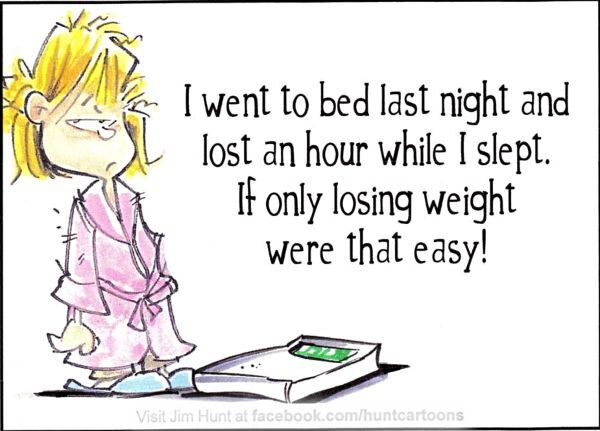
Even today, plenty of folks wonder why we keep changing the clocks at all. The lost hour of sleep in the spring can make for a long Monday morning, and darker winter mornings don’t make getting out of bed any easier. What once seemed practical — making better use of daylight and saving energy — feels less necessary in a world where lights come on with the flip of a switch. Perhaps some coffee will help!
Some people like the longer evenings. Others would just as soon leave the clocks alone and keep one steady time all year round.
So the debate goes on, much like it always has. Lawmakers talk about making a change, and neighbors talk about whether they should. Yet somehow the tradition continues.
And when the next time change rolls around, most of us will do what we’ve always done — walk through the house turning little dials forward or back, making sure the kitchen clock matches the one in the car.
Because whether we like it or not, Daylight Saving Time has become one more small sign that the seasons are turning — measured not just by the sun in the sky, but by the quiet ticking of familiar clocks on the wall.

Unless you live in Hawaii or Arizona, don't forget to Turn Your Clocks Ahead One Hour Before You Go to Bed on Saturday, March 2, 2026!
Which do you prefer: Standard Time all year or Daylight Saving Time? Let us know on our Facebook post!
Fresh Off the Blog—Like Jam Off the Stove
The Big Debate about Standard Time and Daylight Savings Time
Twice a year, it happens the same way. Someone notices the kitchen clock is wrong. The car c...
Southern Style Shrimp and Grits Recipe - An Ideal Lenten Meal ~if You Leave Out the Bacon
We’re nearly a week into the Lenten calendar, and by now you might be searching for a few new meatl...
The Dutch Kettle
The Dutch Kettle: Tradition, Faith & Flavor — A Harvest Array Favorite In an era where food trends c...
February is National Bird Feeding Month NOT Squirrel Feeding Month!
February is one of those months when the world outside the window feels especially still. The trees...
Chicken Soup Recipe with Halladay's Country Chicken Vegetable Soup Mix
Punxsutawney Phil popped up last Monday morning, took one look at his shadow, and—well—here we are....
Super Bowl History
Sunday, February 8, 2026 is Super Bowl LX But, when was Super Bowl I? A Nostalgic History of the Sup...