
The Happy Hollisters
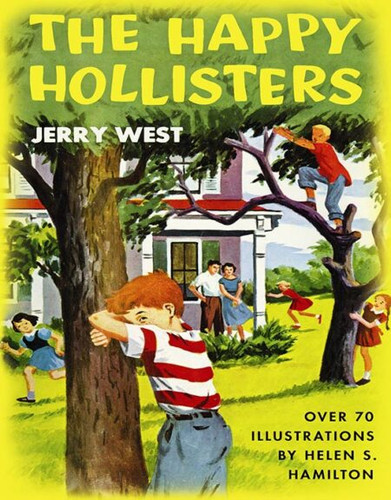
Over the next several months, we’ll be taking a journey back to a simpler America by revisiting the wholesome Happy Hollisters book series, written by Andrew E. Svenson, from the 1950s through the early 1970s.
Growing up in rural Conneautville, Pennsylvania, many of my summer mornings were spent sitting outside with one of these books in my hands. Back then, entertainment did not revolve around smartphones, social media, or endless television channels. A good book, a little imagination, and a sunny spot outdoors were more than enough to create an adventure for the day.
During the 1950s, children could join the Happy Hollisters book club and receive the first book for just ten cents. My older brother had joined the club years earlier and had collected around a dozen of the books. Every summer, I would read those same books over and over again until I eventually discovered that our local library carried even more of them. That opened the door for me to continue following the Hollister family through countless mysteries and adventures throughout my younger years.
Looking back now, those books represented more than stories. They captured a version of America built around family, imagination, kindness, community, and simple living — values that often feel missing in today’s fast-moving world.
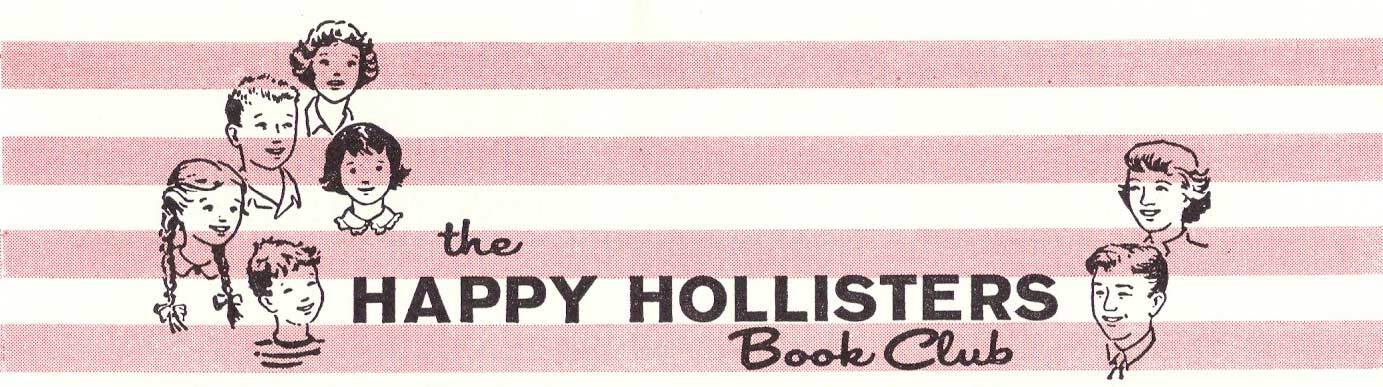
The series followed the Hollister family as they solved mysteries together while living life in a small American town. Their world was filled with bicycles, neighborhood friendships, handwritten notes, family dinners, and afternoons spent exploring.
The first book begins as the Hollister family moves to the small town of Shoreham after Mr. Hollister purchases The Trading Post, a combination hardware, sporting goods, and toy store. Not long after arriving, the family discovers that some of their belongings have mysteriously disappeared during the move, including important papers and all of their toys. Before long, the children begin uncovering strange clues around their new home — mysterious noises, hidden spaces, suspicious strangers, and rumors that make the old house seem almost haunted at times.
As the mystery unfolds, each member of the Hollister family plays an important role in solving it. Pete, Pam, Ricky, Holly, and little Sue use curiosity, courage, and teamwork to follow clues that adults often overlook. The children explore the woods, ride bicycles around town, search old buildings with flashlights, and turn everyday moments into adventures. Along the way, they make new friends, learn lessons about honesty and responsibility, and discover the value of sticking together as a family when challenges arise.
But the real charm of the story is not simply the mystery itself. It is the picture the book paints of family life during a simpler era in America. The Hollisters eat meals together, help one another without being asked, respect their parents, and genuinely enjoy spending time together. Neighbors know one another by name, local shop owners are trusted members of the community, and children are encouraged to explore the world around them.
Reading the book today almost feels like opening a window into a forgotten America where imagination, family values, kindness, and community mattered more than speed, technology, and constant distractions.
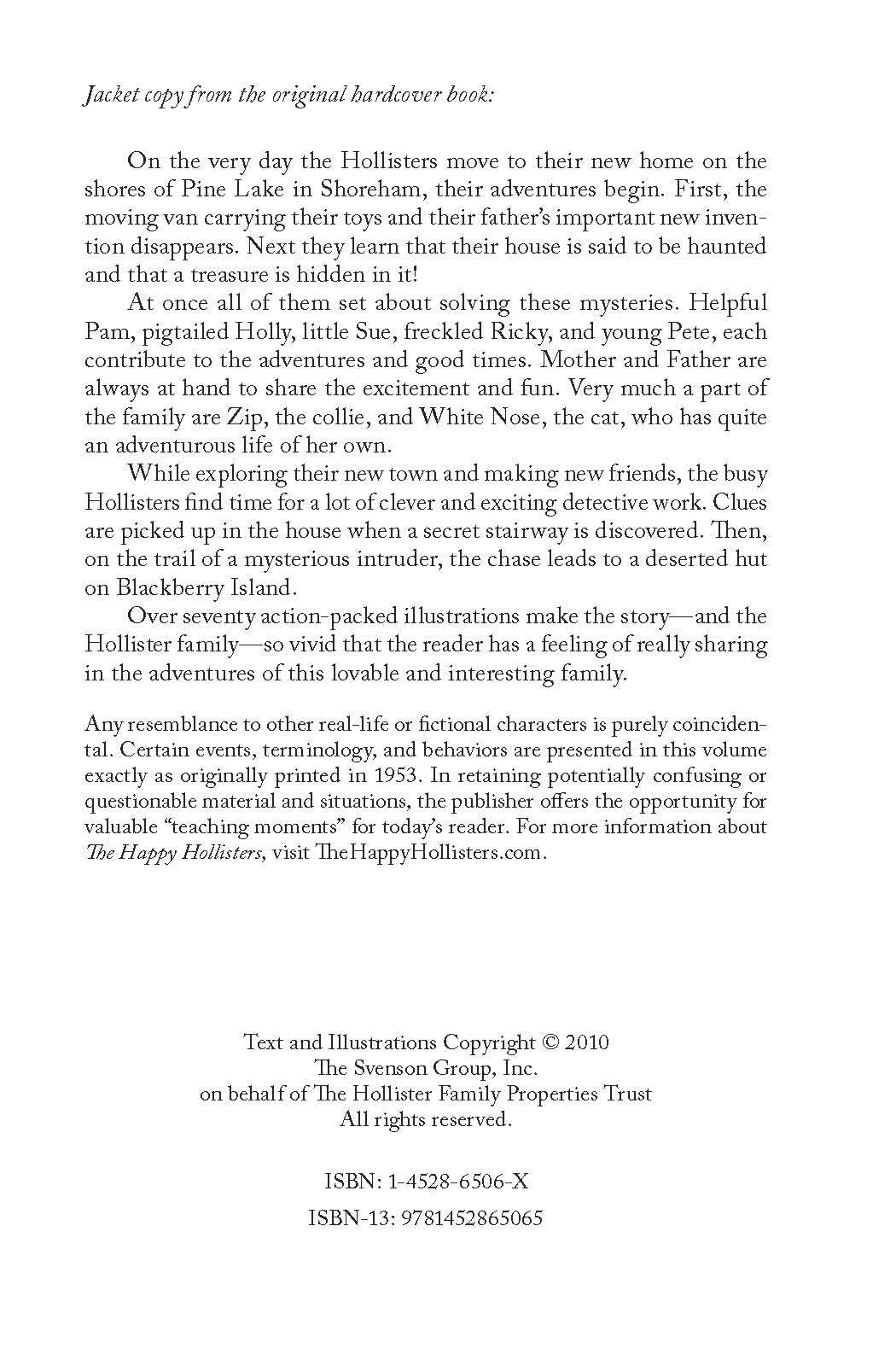
At the heart of the Hollisters’ world was their father’s store, The Trading Post. It was more than a place to buy goods. It was the kind of neighborhood store where customers stopped in to visit, share stories, and feel welcome. Mr. Hollister believed in treating people honestly and making customers feel like friends instead of numbers. The store carried useful items for everyday life, but what truly made it special was the personal service and sense of community it created.
In many ways, that same spirit is what Harvest Array hopes to bring back today. Like The Trading Post, Harvest Array is built around the idea that shopping should still feel personal. It is a place where people can rediscover hard-to-find foods, Amish-made products, nostalgic treats, handcrafted décor, and Made in the USA goods that remind them of simpler times. While the world today moves faster than ever, Harvest Array believes there is still value in slowing down, treating customers like neighbors, and bringing back the warmth of the old-fashioned general store experience.
Maybe that is why stories like The Happy Hollisters continue to resonate generation after generation. They remind us of a time when children played outside until dark, families spent time together without distractions, and stores were built on trust, kindness, and community. In many ways, those are the same values Harvest Array still believes in today.
Fresh Off the Blog—Like Jam Off the Stove

National Do Something Nice Day: Simple Acts of Kindness to Brighten Someone’s Day
What if one small act of kindness completely changed someone's day? From sharing a homemade treat a...

Celebrate National Family Day: Gather Around the Table, Make Memories, and Enjoy Good Food
We already know that we don't need a National Day to remind us how important our families are to us,...
Troyer's Rope Company
Manufacturers of solid braided multifilament polypropylene rope, it's the rope derby people love! "A...
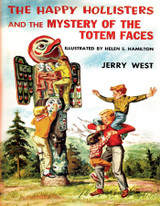
The Happy Hollisters and the Mystery of the Totem Faces
An Adventure Back to 1958 There was a time when a good mystery didn't begin with a glowing screen. I...

Fall Flavors & Football: Easy Crock Pot and Tailgating Recipes for the Season
You can always tell when fall is coming.. mornings are a little more crisp than what we have been us...

Labor Day 2026: A Day to Honor the American Worker
Celebrating Hard Work, Family, and the Simple Joys of an American Labor Day There is something speci...